How to Sort and Prepare Aluminum Scrap for Drop-Off in Hampton Roads: A 2026 Checklist
Sorting and preparing aluminum before you drive to a Hampton Roads scrap yard can make the difference between a smooth drop-off and a frustrating one. Proper aluminum scrap recycling habits help you get paid faster, avoid rejections at the gate, and make the most of every trip. Whether you are cleaning out a Virginia Beach garage, finishing a Norfolk renovation, or clearing materials from a Chesapeake job site, this 2026 checklist walks you through every step.
Why Sorting Aluminum Before Drop-Off Matters
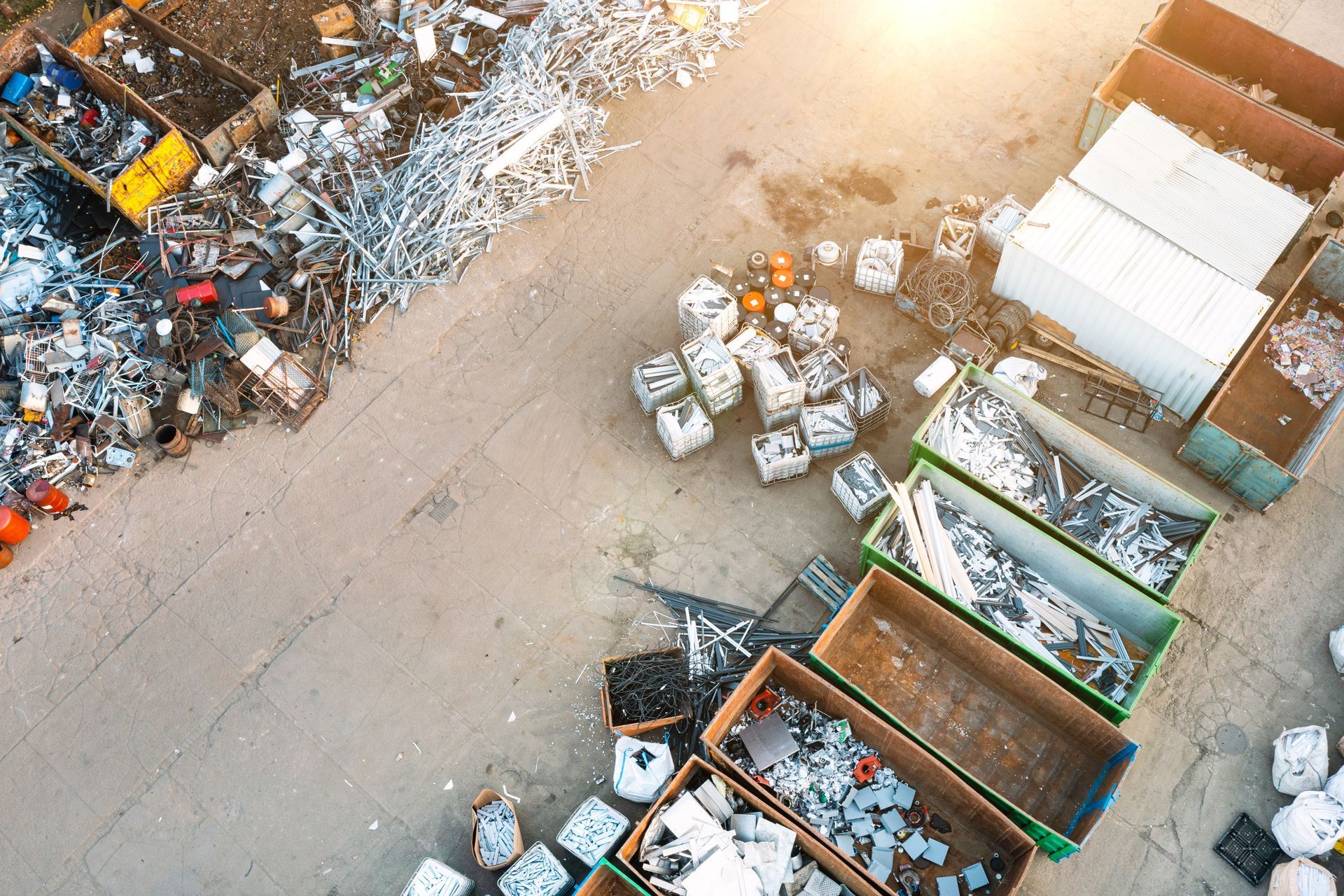
Well-sorted aluminum commands better value at the yard. When your load is clean and separated, the weigh-in moves quickly and staff can grade your material on the spot. Mixed or contaminated loads often get downgraded or require re-sorting that eats into your payout. For anyone doing aluminum scrap recycling in the Virginia Beach Metro, a little prep work at home goes a long way.
Hampton Roads generates aluminum scrap from diverse sources: naval facility overhauls in Norfolk, residential siding replacements in Virginia Beach, commercial HVAC teardowns across Chesapeake and Suffolk, and boat repair operations along the Chesapeake Bay waterfront. Knowing which category your material falls into helps you sort it correctly from the start.
Step-by-Step 2026 Checklist for Hampton Roads Residents
Step 1 -- Identify Aluminum vs. Other Metals
Aluminum is lightweight, does not rust, and is non-magnetic. Run a magnet over each piece. If it sticks, the piece is steel or iron. Common aluminum items include beverage cans, window frames, door thresholds, siding panels, gutters, cast automotive parts, extrusions, and wire.
Step 2 -- Remove Contaminants and Attachments
Scrap yards in Hampton Roads pay more for clean, uncontaminated aluminum. Strip plastic end caps from gutters, remove rubber gaskets from window frames, pull out steel screws and fasteners, and cut away galvanized steel strapping. Paint and surface coatings are typically acceptable, but insulation, wood, plastic, and rubber should come off. Marine hardware common in the region, such as aluminum cleats or deck fittings, may have stainless bolts that need to be removed.
Step 3 -- Sort Aluminum by Grade
Mixing grades can result in your entire load being paid at the lowest grade present. Common grades include cast aluminum such as engine blocks and cookware, extruded aluminum such as window frames and structural channel, sheet aluminum including siding and flashing, insulated aluminum wire, and clean cans. Keeping these in separate bins or bags before you load your vehicle saves time at the scale.
Step 4 -- Flatten, Bundle, and Consolidate
Loose aluminum takes up space and can shift during transport on I-264 or Route 58. Flatten cans into bales or bags. Bundle extrusions and sheet metal with wire or strap them together for quick loading and unloading. If you have aluminum siding from a Virginia Beach or Suffolk renovation, stacking panels flat in a truck bed is far easier to weigh than a tangled pile. Compressing your material also helps you confirm you have enough volume to make the trip worthwhile.
Step 5 -- Know What to Bring to the Yard
Before you pull into any Hampton Roads aluminum scrap recycling facility, have these items ready:
A valid, government-issued photo ID, which Virginia law requires for scrap metal transactions. Your vehicle registration, which most yards record alongside your ID. A clear sense of what grades of aluminum you are delivering. Any notes on material source if you are a contractor, as some yards may request documentation for commercial-scale loads.
Virginia's scrap metal dealer regulations apply across Norfolk, Virginia Beach, Chesapeake, Portsmouth, Suffolk, and Hampton. Yards are required to record seller information, so having your ID ready speeds up intake considerably.
Step 6 -- Schedule Around the Yard's Hours
Most scrap yards in the area operate Monday through Friday during daytime hours. Arriving near closing when the facility is busy can slow your transaction. Mid-morning on a weekday is often the smoothest time. If you have a large load, calling ahead to confirm the aluminum scrap recycling drop-off process ensures there is capacity and equipment ready when you arrive.
Ready to Drop Off Your Aluminum Scrap in Hampton Roads?
Gutterman Iron & Metal Corporation serves the Virginia Beach Metro area and accepts aluminum scrap from homeowners, contractors, and commercial customers. The team handles everything from single loads of residential siding to large industrial aluminum from demolition and renovation projects.
Call (757) 627-1095 to ask about current drop-off procedures or to arrange a pickup for larger loads. You can also visit the aluminum scrap recycling service page to learn more about accepted materials, or reach out through the contact page to get answers before you make the trip.
Does Aluminum Need to Be Clean to Be Accepted?
Most scrap yards prefer aluminum free of heavy contamination such as plastic, rubber, and non-aluminum hardware. Light paint or surface oxidation is generally acceptable. Removing attachments before drop-off can help you receive better value and speed up processing at the yard.
What Types of Aluminum Are Accepted at Hampton Roads Scrap Yards?
Commonly accepted types include cast aluminum parts, extruded aluminum frames and channels, aluminum sheet and siding, insulated aluminum wire, and beverage cans. Accepted material can vary by facility, so contacting the yard before your first visit is a good idea, especially if you have specialty industrial material from the region's naval or manufacturing operations.